Menu
- New Arrivals
Women's Fragrances
Men's Fragrances
Arabic Perfumes
Gift Sets
- Bundles
- Clearance
Your cart
Spend $59.00 more to Unlock Free Shipping
Your cart is currently empty.
Continue shoppingPerfumeBox carries one of the largest selections of Arabic and Middle Eastern fragrances available to US buyers. Over 1,100 Eau de Parfum formulations from Lattafa, Rasasi, Dumont, Ahmed Al Maghribi, Afnan, Paris Corner, and eight additional Dubai and Abu Dhabi houses. Priced from $9.95 to $199. All 100% authentic, in original manufacturer packaging, shipped from New Jersey within 48 hours.
Also available:Amouage, Khadlaj, Al Haramain, Ajmal, Bharara, Rayhaan
Most buyers already know what they want. They just need pointing in the right direction.
| If you want… | Start with |
| Sweet and accessible | Afnan 9PM |
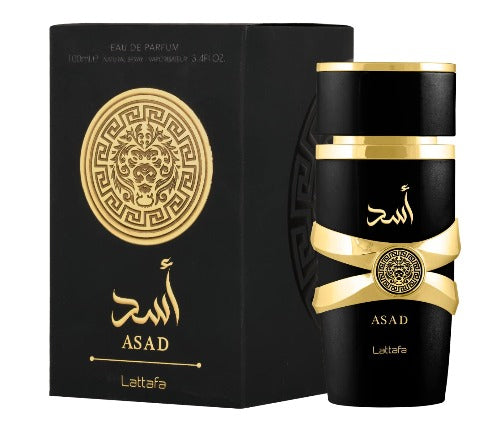
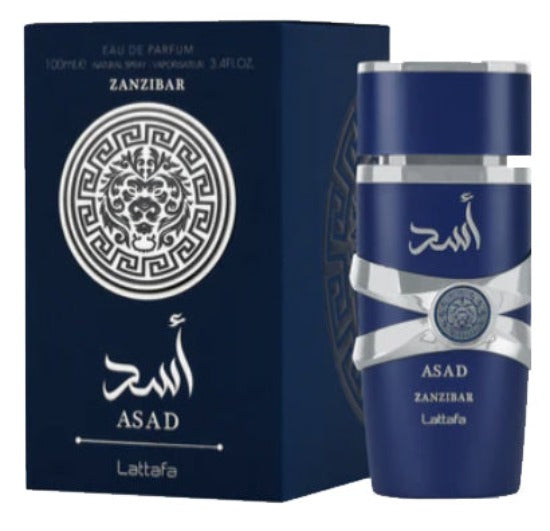
| Strong masculine presence | Lattafa Asad |
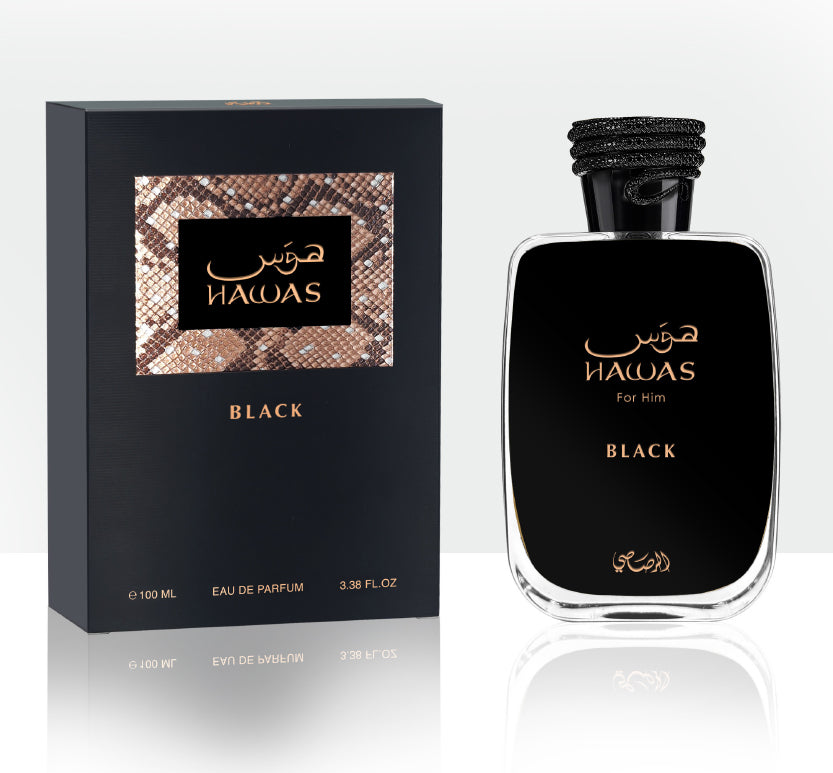
| Fresh, office-appropriate | Rasasi Hawas |
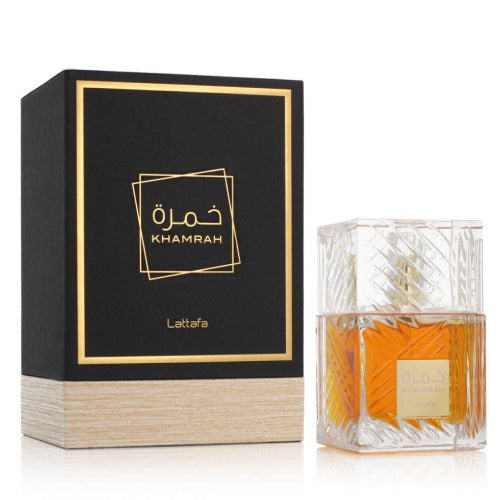
| Warm gourmand oriental | Lattafa Khamrah |
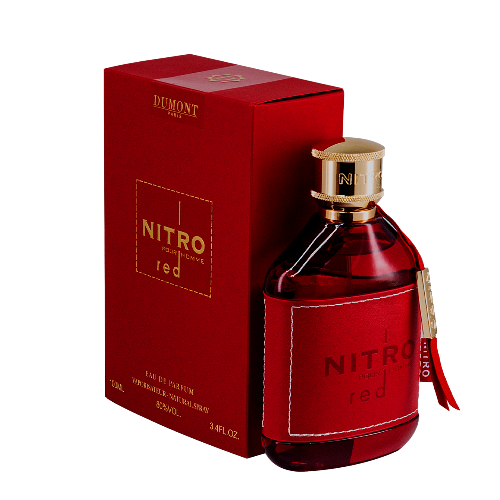
| French-Arabic crossover | Dumont Nitro Gold |
| Niche house experience | Ahmed Al Maghribi Kaaf |
| Nothing too heavy | Paris Corner Coconut Lagoon |
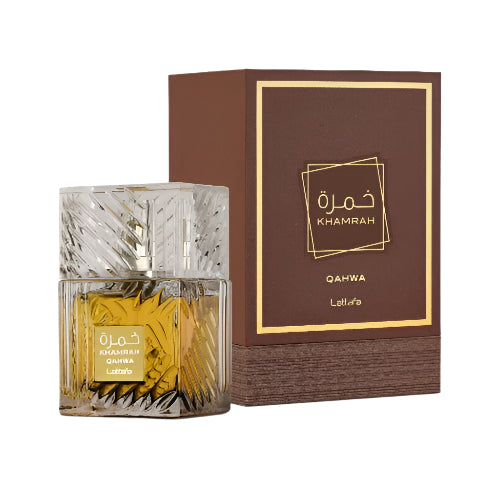
For buyers who want to know what a fully committed Arabic oriental smells like. Warm, sweet, dense. Cinnamon, dates, vanilla, amber. Projects hard for the first two hours then holds close to skin for 10 to 12 hours. Evening wear, cooler months, social occasions. Not for the office. Under $25 for 100ml EDP.
For men who want presence and performance without paying designer prices. Saffron, oud, amber, musk. Projects strongly, lasts 10 hours or more. The most practical demonstration of what Arabic EDP concentration actually means on skin.
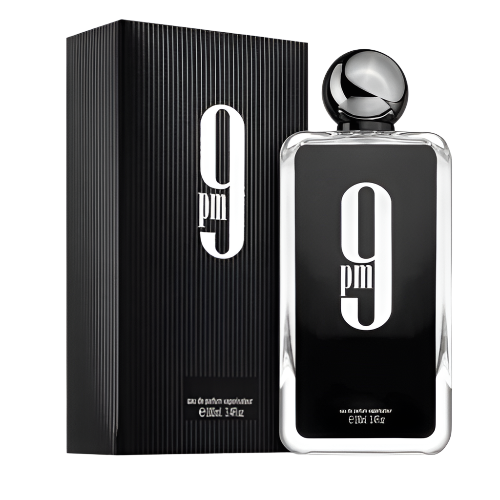
For buyers trying Arabic fragrance for the first time. Warm, sweet, amber-spice. Sits in similar territory to Paco Rabanne 1 Million but at EDP concentration, so it runs 8 to 10 hours against a designer EDT's 4 to 5. The lowest-friction entry point in this collection.
For buyers who want Arabic longevity in situations where a heavy oriental would be too much. Fresh and aquatic opening, clean woody base. Projects moderately, wears well at the office or in casual settings. 6 to 8 hours. The most versatile Arabic fragrance in the collection.
For buyers coming from designer fragrance who want a first step into Arabic. Saffron and oud built in a European compositional structure. Familiar transitions, Middle Eastern ingredients. The point where both traditions meet without either one dominating.
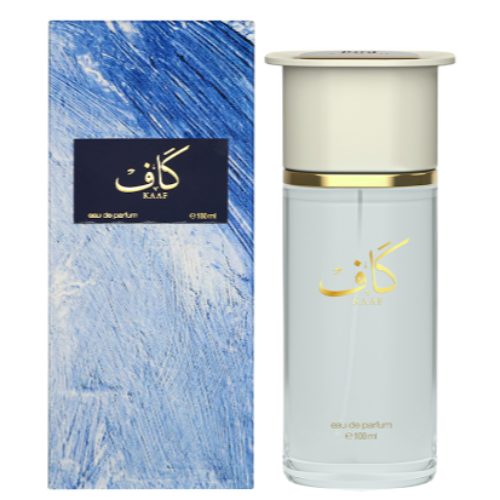
For buyers who want a genuine niche house without paying niche prices. Rose and restrained oud, amber and musk base. Ahmed Al Maghribi produces a small, considered catalogue. Kaaf is where to start with the brand before moving to the more intense Kaaf Noir.
Six brands, six different positions in the market. They are not interchangeable.
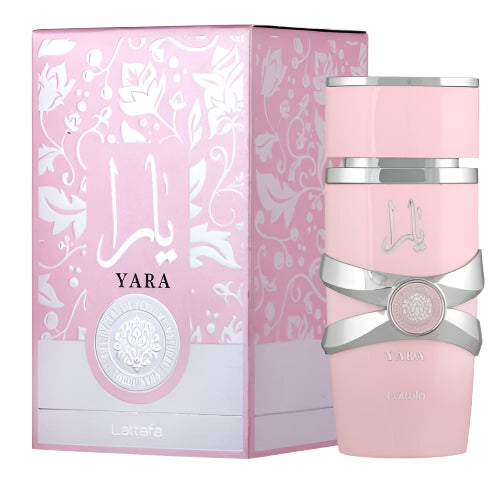
The UAE's largest fragrance house and the most practical starting point for buyers new to Arabic perfumery. The range is enormous and genuinely varied: entry-level accessible orientals (Raghba, Yara) at under $15, mid-tier complex compositions (Khamrah, Asad) at $20 to $35, and the Lattafa Pride premium sub-line from $39.95. Most fragrances are under $30. The sheer catalogue depth means that almost every fragrance character has a Lattafa expression of it somewhere.
A smaller catalogue but a longer history. Established in Dubai in 1979, Rasasi has been producing oud, rose, and amber compositions for 45 years. The compositions are more layered than the accessible end of Lattafa, with a stronger rose tradition and slightly more restrained oud use. For buyers who have worked through entry-level Arabic fragrance and want more nuance, Rasasi is the next step. Hawas is the entry point. La Yuqawam is where the house shows what it can do.
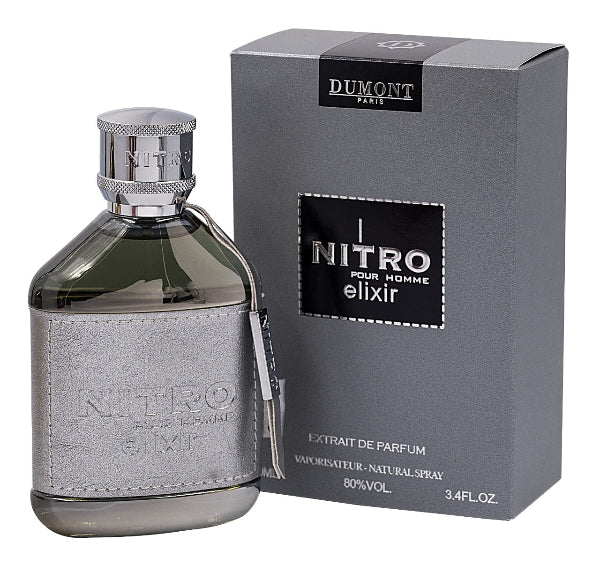
Nitro Gold and Nitro Elixir built the brand's US following, and for good reason. The Nitro line takes Arabic ingredient depth and applies European compositional logic to it. Saffron and oud structured through careful transitions rather than layered all at once. The result is a house that suits buyers who want Middle Eastern longevity with a fragrance architecture they already recognise.
A boutique Abu Dhabi house. Smaller catalogue, higher average price, more deliberate compositions. Kaaf Noir is the piece the US market knows best: a dark, projecting oud-amber oriental recommended constantly in fragrance communities for delivering what small niche houses charge $200 for, available here for $47. The house produces a specific kind of Arabic oriental and does it well.
9PM built the brand's US reputation. The rest of the catalogue reflects the same approach: strong performance at accessible prices. Beyond 9PM, the Supremacy line covers oud-led compositions for buyers who want the traditional Arabic oriental character. The Turathi line sits closer to contemporary international fragrance. A useful second catalogue once you have confirmed the style suits you.
The Dubai house that does not follow the standard Arabic playbook. Where every other house here centres on oud, rose, and amber, Paris Corner builds a significant part of its range around fresh, tropical, and cocktail-inspired profiles. Coconut Lagoon is tropical and light, built for situations where heavy oud would be wrong. Moscow Mule translates a ginger-lime cocktail accord into a wearable EDP. The choice for buyers who want Arabic longevity in a lighter format.
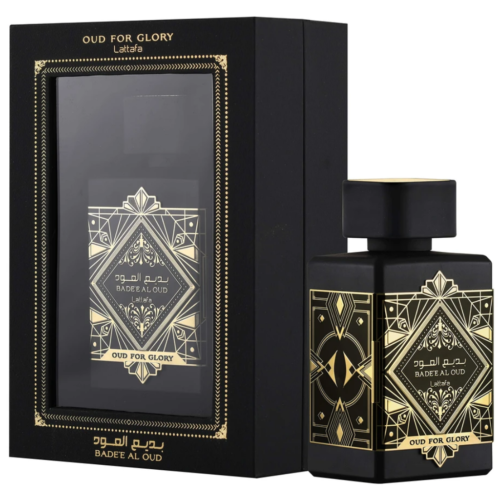
The traditional centre of Arabic perfumery. Dark, woody, resinous. Kaaf Noir, Rasasi La Yuqawam, Lattafa Oud for Glory, and the Lattafa Pride sub-line all sit here. For buyers who want the full Arabic oriental experience.
Vanilla, tonka, praline, amber. Warmer and more accessible than classic oud. Lattafa Khamrah, Afnan 9PM, and Lattafa Raghba are the most purchased fragrances in this character. The most common starting point for US buyers new to Arabic houses.
Not all Arabic fragrance is heavy. Rasasi Hawas, Paris Corner Moscow Mule, and several pieces in the Afnan range open fresh and aquatic, with Arabic longevity underneath. For office wear, everyday use, and buyers who find traditional orientals too intense.
Warm, close-to-skin, accessible. Softer than the oud-heavy category, sweeter than fresh. Afnan 9PM, Lattafa Raghba, and Dumont's amber compositions sit here. The most versatile character in the collection across seasons and occasions.
Rose-dominant, amber-backed, distinctly Arabic in character. Lattafa Yara and Yara Tous are the most purchased women's fragrances in this category. Rasasi's women's line and Paris Corner's floral EDPs cover the full range.
Durable enough to outlast a full day, not heavy enough to be evening-only. Lattafa Asad, Rasasi Hawas, and the mid-tier Afnan and Lattafa lines sit here. Strong performance in a format that works for most contexts.
Most buyers find Arabic fragrance the way they find most things: a recommendation from someone who already wears it. A Reddit thread. A TikTok. A friend wearing Nitro Gold. They arrive with a specific product in mind. PerfumeBox has been supplying this category to US buyers longer than most online retailers have been selling fragrance at all. The depth here is real.
The performance advantage comes from concentration. Arabic houses produce at Eau de Parfum as standard: 15 to 20% fragrance oil per formula. A Western designer Eau de Toilette runs 8 to 12%. A Lattafa EDP at $20 will outlast a designer EDT at $80 on skin in almost every comparison. Not because it is better quality. Because the oil concentration is roughly twice as high.
Oud, saffron, rose attar, and amber are persistent raw materials. Arabic houses use them at concentrations that most Western designers do not. The result is warmer, denser, and longer-lasting than anything in the same price bracket from a department store.
One practical note for first-time buyers: one spray is usually enough. Start there, let it develop for 20 minutes, then decide.
Arabic perfumes are fragrances produced in the Middle Eastern perfumery tradition, primarily from Dubai and Abu Dhabi fragrance houses. They are characterised by high concentrations of oud (agarwood resin), rose attar, saffron, and amber, formulated at Eau de Parfum concentration as standard. The result is typically 8 to 12 hours of longevity on skin, significantly above most Western designer Eau de Toilette at comparable prices.
Most Arabic fragrances are Eau de Parfum concentration with 15 to 20% fragrance oil. On average skin, expect 8 to 12 hours of longevity. Oud-heavy compositions like Lattafa Khamrah and Ahmed Al Maghribi Kaaf Noir typically perform at the higher end of that range. Lighter pieces like Paris Corner Coconut Lagoon or Rasasi Hawas run 6 to 8 hours. All perform longer than most Western designer Eau de Toilette at the same or higher price.
Arabic fragrances project more and last longer than most Western designer Eau de Toilette because the oil concentration is higher. EDP at 15 to 20% fragrance oil outlasts EDT at 8 to 12% in almost every comparison. Lighter Arabic pieces like Rasasi Hawas or Afnan 9PM project moderately and suit a wider range of contexts.
Start lighter before moving to heavy oud. Afnan 9PM is the most recommended first Arabic fragrance: warm, amber-spice, sweet but not overwhelming, with 8 to 10 hours of longevity at $25.50. Rasasi Hawas Pour Homme is the best option for men who want something closer to contemporary Western fragrance in its opening. Paris Corner Coconut Lagoon is the most accessible choice for buyers who find oriental fragrances too intense. All three available at PerfumeBox from $19.95, with free US shipping on orders over $59.
Lattafa Khamrah, Lattafa Asad, and Ahmed Al Maghribi Kaaf Noir consistently perform at 10 to 12 hours on average skin. All three are oud-forward Eau de Parfums with dense base notes that hold well through the day. Dumont Nitro Gold and Nitro Elixir run 8 to 10 hours. The Lattafa Pride sub-line and Rasasi La Yuqawam regularly get reported at 12 hours and above by buyers in US fragrance communities.
Oud is agarwood resin, derived from Aquilaria trees infected with a specific mould. The infected wood produces a dense, dark resin with a complex smell ranging from woody and smoky to sweet and animalic depending on the source. Arabic fragrance houses have used oud at the centre of their compositions for centuries, at concentrations significantly higher than most Western designers. The result is the signature warmth and persistence that Arabic EDPs are known for.
Lattafa is the UAE's largest fragrance house with 474 products from $9.95 and the widest range of characters. Rasasi is a smaller heritage brand established in 1979 with more complex compositions and a stronger rose tradition. Dumont bridges European compositional aesthetics with Arabic ingredient depth. Nitro Gold and Nitro Elixir are the most Western-adjacent Arabic fragrances in the collection, which is part of their appeal to buyers new to the style.
Every Arabic fragrance on PerfumeBox arrives in its original manufacturer packaging with a present batch code. PerfumeBox has been sourcing fragrance through authorized distribution channels for 30 years and holds an Excellent rating on Trustpilot based on 21,568+ verified customer reviews. To verify authenticity on arrival, check the batch code against Checkfresh.com.